Mononoke Hime – Everything You Need to Know
A Princesa Mononoke / A vadon hercegnője / Công chúa Mononoke / Công chúa sói / Księżniczka Mononoke / La Princesa Monon... ... Show moreDescription
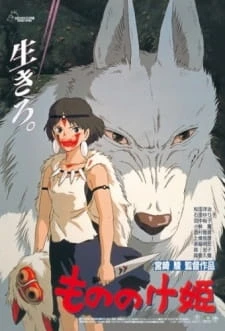
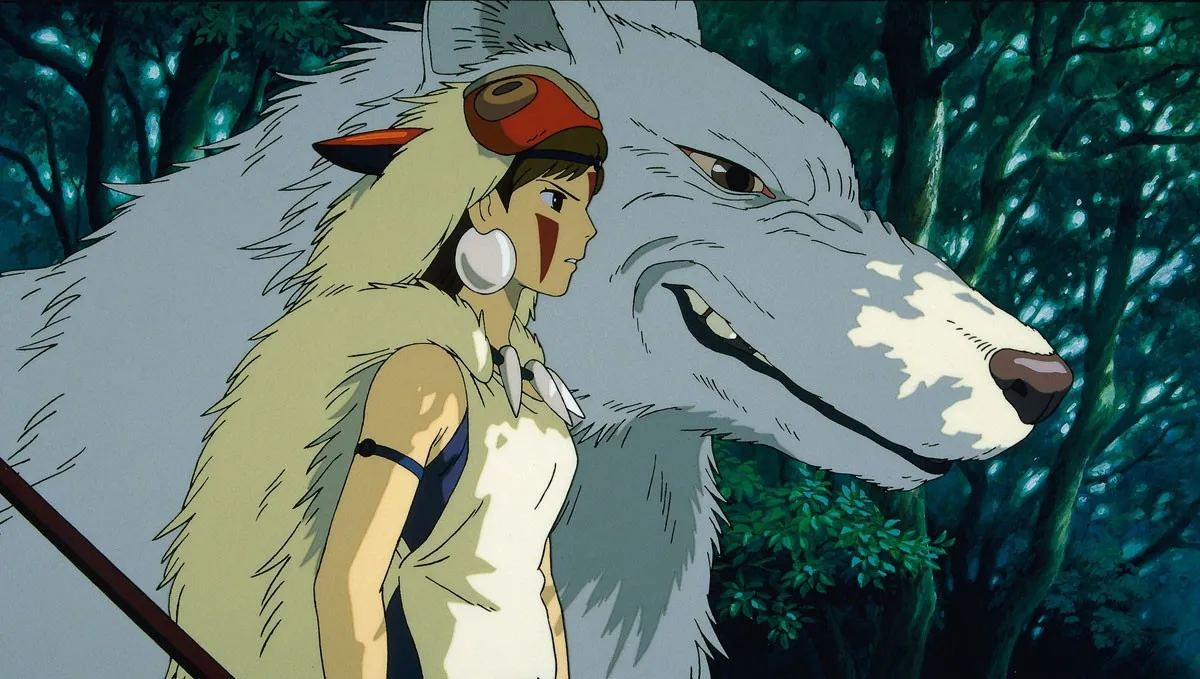
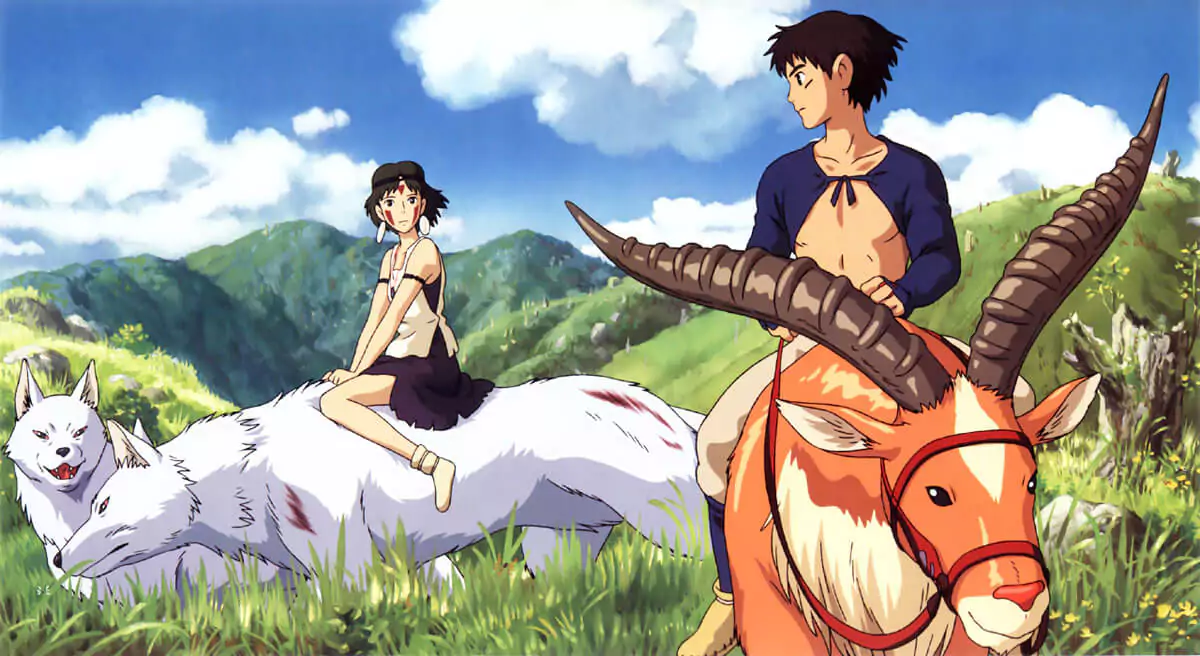
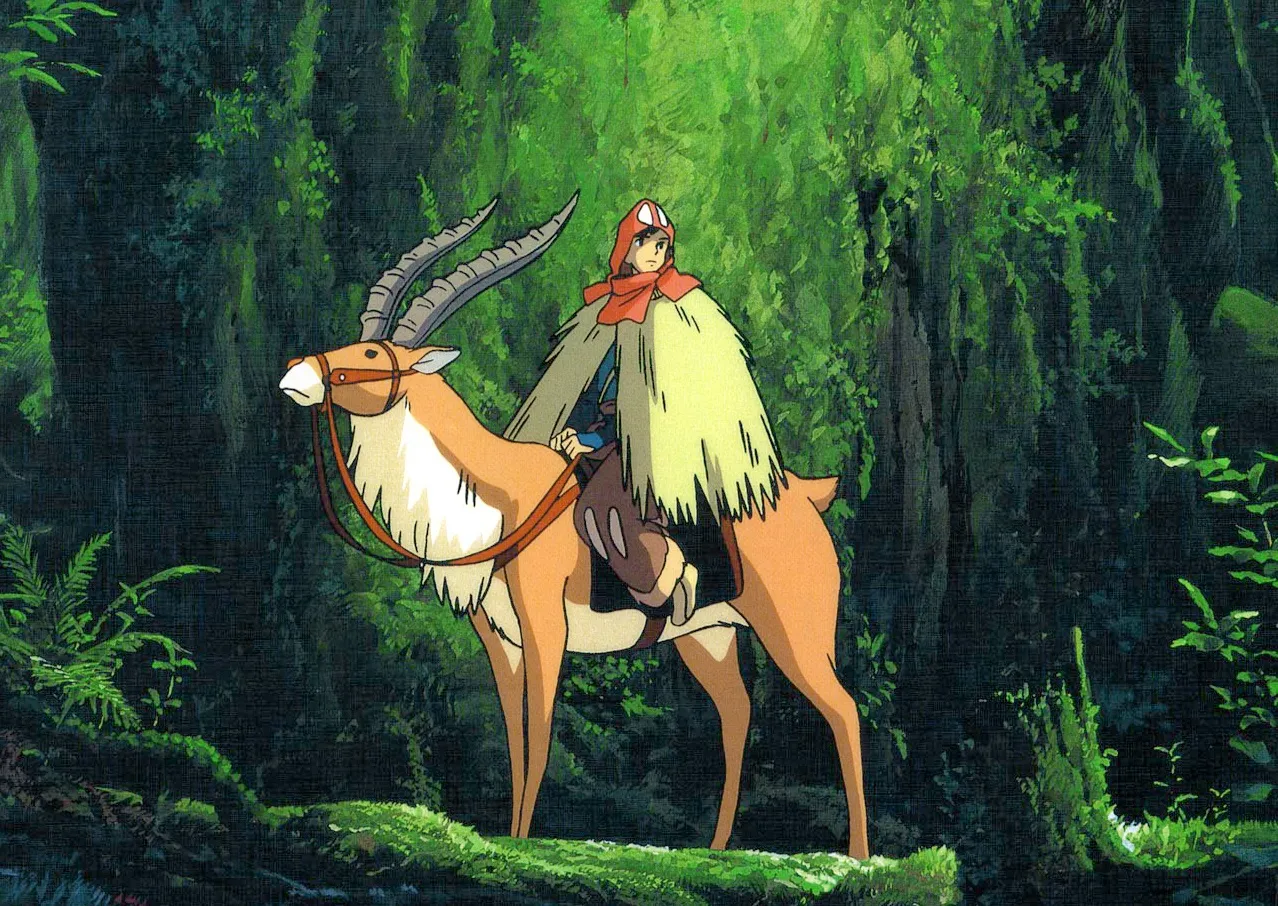
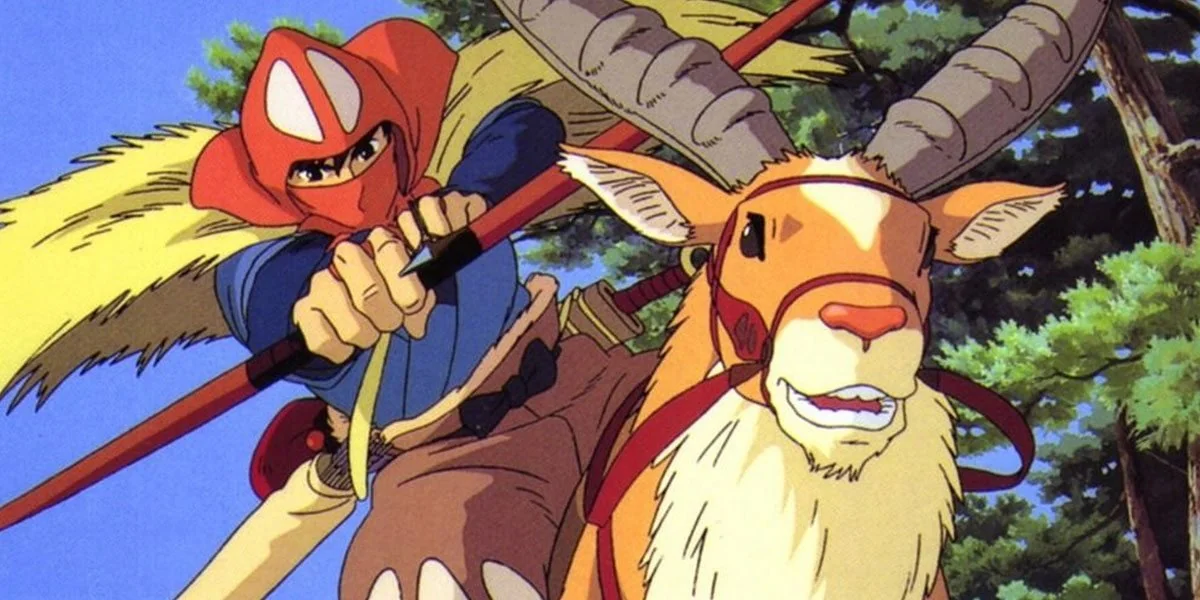
Princess Mononoke (もののけ姫, Mononoke-hime) is incredible 1997 anime film that Hayao Miyazaki wrote and directed. It's set during Japan's Muromachi period and follows Ashitaka, a young prince from the Emishi people who heads west trying to find a cure for this curse on his arm. He ends up caught in the middle of this brutal war between Iron Town and the forest gods, plus there's this whole clash between Lady Eboshi (who runs the town) and San, a girl who was literally raised by wolves.
Studio Ghibli animated it, Toshio Suzuki produced it, and Toho distributed it in Japan. The Japanese voice cast is stacked, Yōji Matsuda, Yuriko Ishida, Yūko Tanaka, and a bunch of other talented actors. Miyazaki had actually been kicking around ideas for this film since 1980 and got some inspiration from this old 1212 text called Hōjōki. It took him years to develop everything into the final story.
After finishing On Your Mark in 1995, Miyazaki dove into full production with a budget of ¥2.35 billion, which was insane for an animated film back then, the most expensive ever at that point. This was also the first time he mixed traditional hand-drawn animation with CGI and digital effects, which was a big deal for him. The movie tackles environmentalism, complicated social issues, and has really strong female characters, all wrapped up in this medieval Japanese setting with a jidaigeki (period drama) vibe. Joe Hisaishi did the music, and it's beautiful.
The film came out in Japan on July 12, 1997, and just absolutely crushed it at the box office. Suzuki put together this massive marketing campaign, the biggest Japan had ever seen, and it became the highest grossing Japanese film of its time. Disney cut a deal to release it internationally, making it the first Ghibli film to get a proper overseas release. Miramax handled the English dub with Neil Gaiman doing the translation, though it didn't do nearly as well outside Japan.
As of 2020, it's made around $194.3 million worldwide from theaters and home video. Critics loved it in both Japan and the US, and it won a ton of major awards including big ones at the Mainichi Film Awards and Japan Academy Film Prize. These days, Princess Mononoke is considered a cult classic and one of Ghibli's most important films ever.