
The Evolution of Anime Fandom: How Fans Supported Shows in the Pre-Internet Era
Last update: 9 December 2025
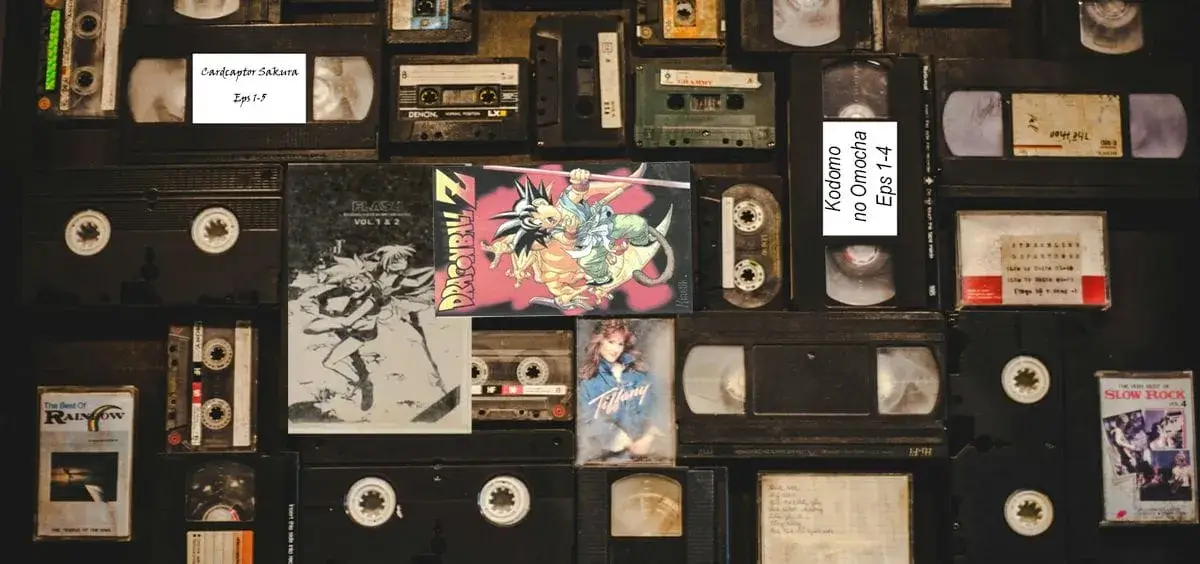
A Fandom Built Without the Internet
Long before streaming platforms, social media, and digital fan communities, anime fans lived in a completely different world. Access to Japanese animation was limited, importing tapes was expensive, and official releases were rare. Yet despite these challenges, early anime enthusiasts built one of the most passionate and creative fandoms of the modern era.
This article explores how fans discovered, shared, and supported anime in the pre-internet era, a time defined by dedication, creativity, and a love for storytelling.
VHS Trading: The Lifeline of Early Anime Fans
Before DVDs and online uploads, anime circulated almost entirely through VHS tapes. Fans recorded episodes from TV broadcasts, copied tapes for friends, or traded recordings by mail.
This system became known as tape trading, and it played a major role in spreading classics like Sailor Moon, Ranma ½, Neon Genesis Evangelion, and Yu Yu Hakusho outside Japan.
Every tape generation lost quality, but fans didn’t care, receiving a grainy copy felt like discovering treasure.
Fan Subtitles Made by Passion, Not Companies
Without official translations, dedicated fans created their own subtitles, known as fansubs.
The process was slow and technical:
- Translating dialogue from Japanese
- Typing subtitles manually
- Embedding text into VHS recordings
- Distributing the tapes at cost, never for profit
These volunteers shaped early global fandom by making anime understandable to people everywhere. Many modern translators, editors, and even industry professionals began as fansubbers.
Anime Clubs at Schools and Universities
Before online forums, anime lovers gathered in real-life clubs. Universities and community centers hosted weekly screenings, bringing together fans who otherwise thought they were “the only ones who liked anime.”
Clubs organized:
- Group screenings
- Tape exchanges
- Discussions
- Early cosplay attempts
- Buying and selling imported merchandise
These gatherings created the first structured anime communities outside Japan.
Fanzines: The First Anime Blogs
Fans produced printed magazines called fanzines, small publications filled with:
- Episode summaries
- Character profiles
- Fan art
- Reviews
- Cosplay guides
- News about upcoming anime
Fanzines were often photocopied and mailed around the world. They filled the information gap in an era where official news was nearly impossible to access.
The Early Conventions: The Birth of Modern Anime Culture
While today’s conventions attract thousands of people, early gatherings were small meetings held by passionate fans.
These conventions featured:
- Screenings
- Dealer tables with rare merchandise
- Fan art displays
- Panels and discussions
- The earliest forms of cosplay
Events like these helped solidify anime culture in North America and Europe, long before it became mainstream.
Import Shops and Specialty Stores
Before online shopping, fans relied on:
- Japanese bookstores
- VHS rental shops
- Asian import stores
- Comic shops carrying imported LaserDiscs or model kits
These shops became cultural hubs where fans discovered new shows, bought posters, or picked up magazines like Newtype or Animage.
Pen Pal Networks: Connecting Fans Worldwide
In the pre-internet age, fans communicated through pen pal letters. Enthusiasts mailed each other:
- Reviews
- Episode summaries
- Fan art
- VHS tapes
- Magazines from Japan
This global network helped spread anime culture from Japan to Europe, South America, and the US long before digital communication existed.
A Fandom Built on Passion and Creativity
The pre-internet anime community was made of fans who spent hours recording tapes, copying fanzines, writing letters, and organizing club meetings, all to share what they loved.
Their dedication built the foundation for the massive, global anime fandom we know today. Modern fans stream episodes instantly, but the roots of the anime world come from this era of hard work, creativity, and pure passion.
Comments
Log in to add a comment.