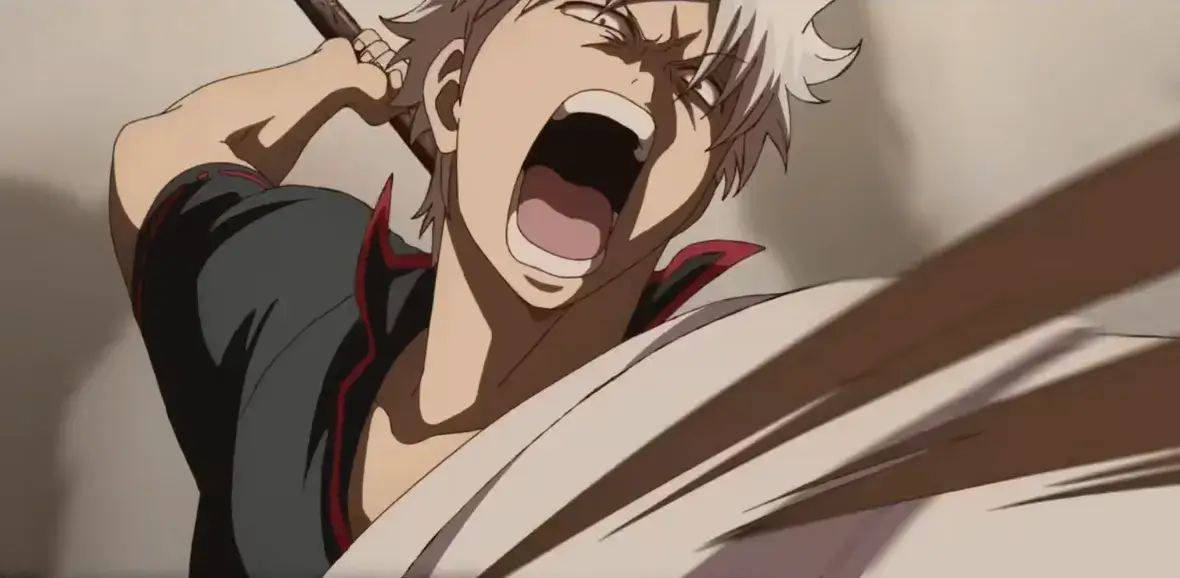
The beloved anime series Gintama is making a triumphant comeback with a theatrical remake movie set for 2026. Announced at Jump Festa 2026, the project celebrates the franchise's 20th anniversary and marks a significant moment for one of anime's most distinctive series.
A Remake to Celebrate Gintama's 20th Anniversary
The upcoming film, titled Gintama: Yoshiwara in Flames, represents a bold new chapter for the franchise. Rather than creating entirely new content, the production team has chosen to reimagine one of the series' most critically acclaimed story arcs with modern animation techniques and theatrical production values.
This decision reflects a growing trend in anime where beloved older series receive high-quality remakes to introduce them to contemporary audiences while giving longtime fans a fresh experience. The Yoshiwara in Flames arc was specifically chosen because it represents a perfect balance of everything that makes Gintama special: intense action sequences, deep character development, emotional storytelling, and the series' signature humor.
The Yoshiwara in Flames Arc: Why It Matters
The story follows Gintoki Sakata and the Yorozuya crew as they venture into Yoshiwara, a hidden underground district shrouded in darkness and ruled by criminal forces. The adventure begins when a young pickpocket named Seita steals Gintoki's wallet in a desperate attempt to gather resources to find his missing mother.
What initially seems like a minor incident rapidly escalates into a life-threatening confrontation with Yoshiwara's oppressive rulers. The arc introduces Kamui, Kagura's older brother and one of the Yato clan's most powerful warriors, whose presence brings both spectacular fight choreography and heartbreaking family drama to the forefront.
This particular arc is considered a turning point in the Gintama series. It demonstrates the show's ability to shift from comedy to serious drama seamlessly, exploring themes of family bonds, freedom, sacrifice, and the cycles of violence. The emotional weight of Kagura confronting her estranged brother, combined with the introduction of Tsukuyo, a compelling character who would become central to the series, makes this arc unforgettable for fans.
The storyline also delves into the harsh realities faced by the women of Yoshiwara, trapped in a system of exploitation, and how the Yorozuya's intervention becomes a fight for liberation. These darker, more mature themes showcase Gintama's range beyond its comedic reputation.
Production Quality and Visual Upgrades
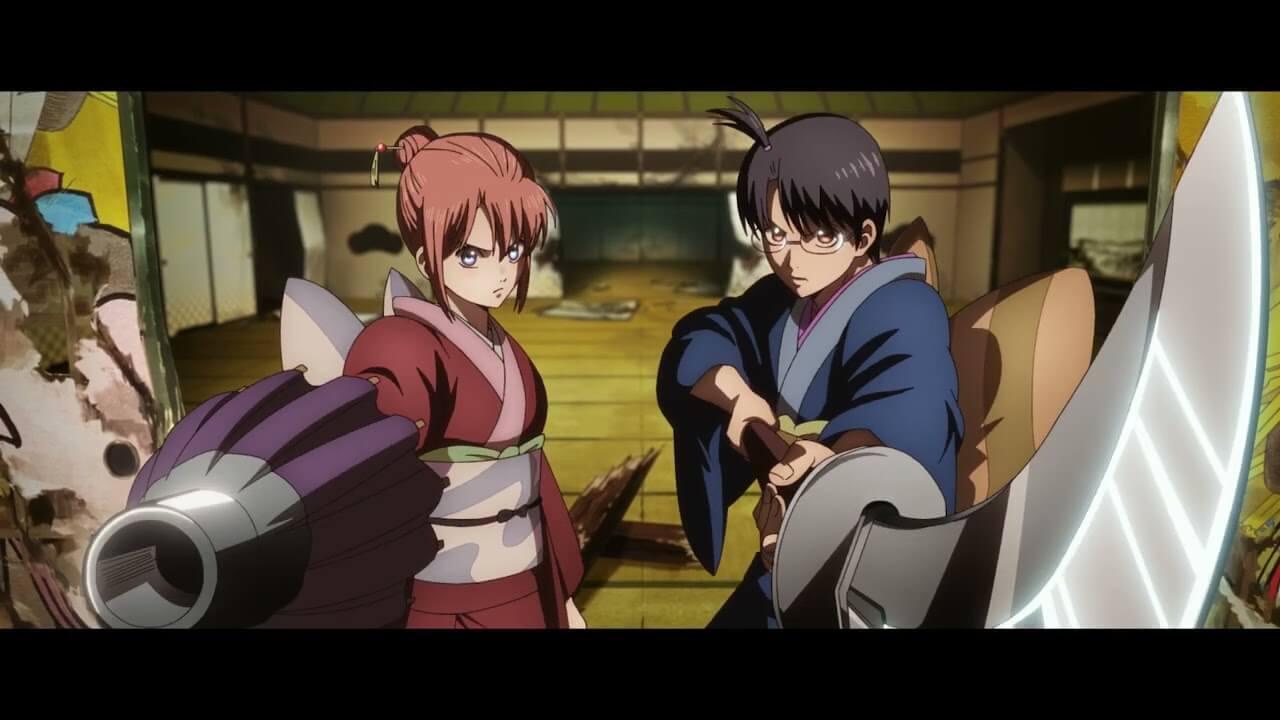
Bandai Namco Pictures unveiled the first official trailer and main visual during Jump Festa, giving fans their first glimpse at the remake's production quality. The improvements are immediately noticeable: character designs have been refined with cleaner lines and more detailed shading, animation movements appear significantly smoother, and the cinematic 2.35:1 widescreen aspect ratio gives the film a theatrical grandeur that the original TV episodes couldn't achieve.
The lighting and color grading have also received considerable attention. The underground setting of Yoshiwara, with its perpetual night sky and neon-lit streets, provides an opportunity for dramatic visual storytelling. Early footage suggests the production team is taking full advantage of modern animation techniques to create atmosphere and tension.
Action sequences appear to have been completely reimagined with more dynamic camera angles, fluid choreography, and enhanced visual effects. Given that the Yoshiwara arc contains some of Gintama's most intense battles, particularly those involving Kamui and the Night King Housen, fans have high expectations for how these confrontations will be portrayed with contemporary animation standards.
Voice Cast and Music
The original Japanese voice cast is confirmed to be returning, ensuring continuity with the beloved performances fans have cherished for two decades. This includes:
- Tomokazu Sugita as Gintoki Sakata
- Rie Kugimiya as Kagura
- Daisuke Sakaguchi as Shinpachi Shimura
Their return guarantees the same comedic timing, emotional delivery, and character chemistry that made the original series resonate with audiences.
The movie's theme song, "Sanzen", will be performed by SUPER BEAVER, a popular Japanese rock band known for their emotionally charged performances. Their involvement suggests the remake will emphasize the arc's dramatic and emotional elements while maintaining the energy that defines Gintama.
The Gintama Phenomenon: Why This Series Endures
Since its manga debut in 2003 and anime premiere in 2006, Gintama has carved out a unique position in anime history. Set in an alternate-history Edo period where aliens have invaded and colonized Japan, the series follows Gintoki, a former samurai turned odd-jobs freelancer, as he navigates life in this bizarre world alongside his makeshift family at the Yorozuya.
What distinguishes Gintama from other long-running shonen series is its willingness to completely break conventional storytelling rules. The show regularly breaks the fourth wall, with characters commenting on their own anime production, complaining about time slots, and parodying other popular anime and manga. Episodes can swing wildly from absurdist comedy to profound emotional drama, sometimes within the same storyline.
This tonal versatility has allowed Gintama to explore an impressive range of genres: samurai action, science fiction, detective mysteries, horror parodies, romantic comedy, and deeply serious character studies. The series has tackled themes of loyalty, found family, the weight of the past, and how ordinary people find meaning in extraordinary circumstances.
The franchise's longevity, spanning over 360 anime episodes, multiple movies, and numerous specials, demonstrates its enduring appeal. Even as it concluded its main story, the series has maintained a devoted global fanbase eager for more content.
Release Strategy and International Prospects
Gintama: Yoshiwara in Flames is scheduled to premiere in Japanese theaters on February 13, 2026. The date positions it well for Valentine's Day weekend in Japan, potentially attracting both dedicated fans and couples looking for an action-packed theatrical experience.
While no official international release date has been announced, several factors suggest global availability is likely. Previous Gintama films have received limited theatrical runs in select international markets, and the growing accessibility of anime in Western territories makes a wider release more feasible than ever. Streaming platforms like Crunchyroll, which currently hosts the Gintama series, would be logical partners for international distribution.
The film's focus on a complete, self-contained story arc also makes it more accessible to potential new viewers than a direct sequel would be. While familiarity with the main characters enhances the experience, the Yoshiwara arc can largely stand alone as an introduction to the series' world and tone.
What This Means for Gintama's Future
This remake movie represents more than just a nostalgic trip down memory lane. It signals that the Gintama franchise remains commercially viable and culturally relevant twenty years after its inception. The decision to invest in a theatrical remake with enhanced production values indicates confidence from the production committee that there's still substantial audience demand.
If successful, this film could pave the way for additional remake movies covering other beloved Gintama arcs. Popular storylines like the Benizakura Arc (which already received a movie treatment), the Courtesan of a Nation Arc, or the Farewell, Shinsengumi Arc could all benefit from similar theatrical reimaginings.
For newer anime fans who might have been intimidated by the series' 360+ episode count, this movie offers an ideal entry point. It showcases Gintama at its best without requiring extensive prior knowledge, potentially introducing the franchise to a generation that missed its original run.
The Legacy Continues
Gintama has always been more than just another shonen series. Its willingness to experiment, subvert expectations, and blend seemingly incompatible tones has influenced countless anime that followed. The series proved that comedic anime could tackle serious themes without losing their humor, and that long-running shows didn't need to take themselves seriously all the time.
As the franchise enters its third decade, this remake movie serves as both a celebration of what made Gintama special and a reaffirmation of its continued relevance. Whether you're a longtime fan eager to see a beloved arc reimagined or a newcomer curious about what makes this series so special, Gintama: Yoshiwara in Flames promises to deliver the perfect blend of action, emotion, and that irreverent spirit that has always defined the silver-haired samurai and his found family.
The countdown to February 13, 2026 has begun, and the Yorozuya are ready to return to Yoshiwara once more.