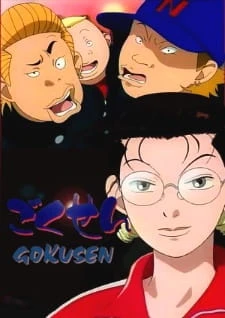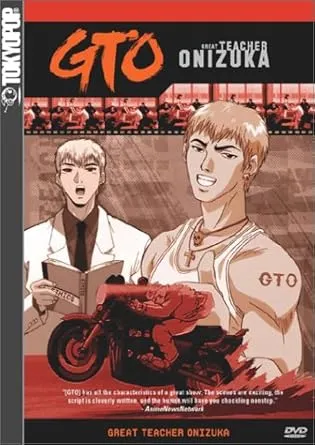
Great Teacher Onizuka (GTO) follows Eikichi Onizuka, a former biker gang leader who decides to become a teacher with the initial and immature motivation of attracting high-school girls. Despite his questionable reasons, Onizuka enrolls in a teaching program and eventually finds himself assigned to a troubled class at a prestigious private school.
Lacking formal pedagogical training and openly clashing with the school’s rigid administration, Onizuka relies on instinct, street experience, and unorthodox methods rather than conventional teaching practices. His class is composed of students with severe behavioral and psychological issues, many of whom have driven previous teachers to resignation through intimidation, manipulation, and emotional harassment. Rather than responding with discipline or authority, Onizuka confronts these challenges directly, often placing himself in risky or humiliating situations to reach his students.
Throughout the series, Onizuka addresses themes such as bullying, abuse of authority, academic pressure, social isolation, and the emotional neglect faced by adolescents. While his language, behavior, and methods frequently violate school rules and social expectations, his actions are ultimately guided by a sincere concern for his students’ well-being. Over time, his influence begins to alter both the lives of his students and the attitudes of the teachers around him, raising questions about the role of empathy, responsibility, and personal connection in education.